
Fluctuation of gas source calorific value
Natural gas, biogas, and associated gas have different compositions, and changes in calorific value and pressure will affect combustion stability and output power.
For gas source scenarios such as natural gas, biogas, oil field associated gas, coal bed methane, etc., Shengdong provides integrated solutions for gas engines, generators, cooling, ignition, speed regulation, control and safety protection. Suitable for distributed energy, industrial parks, aquaculture biogas, sewage treatment, oil and gas fields and long-term common power supply projects.
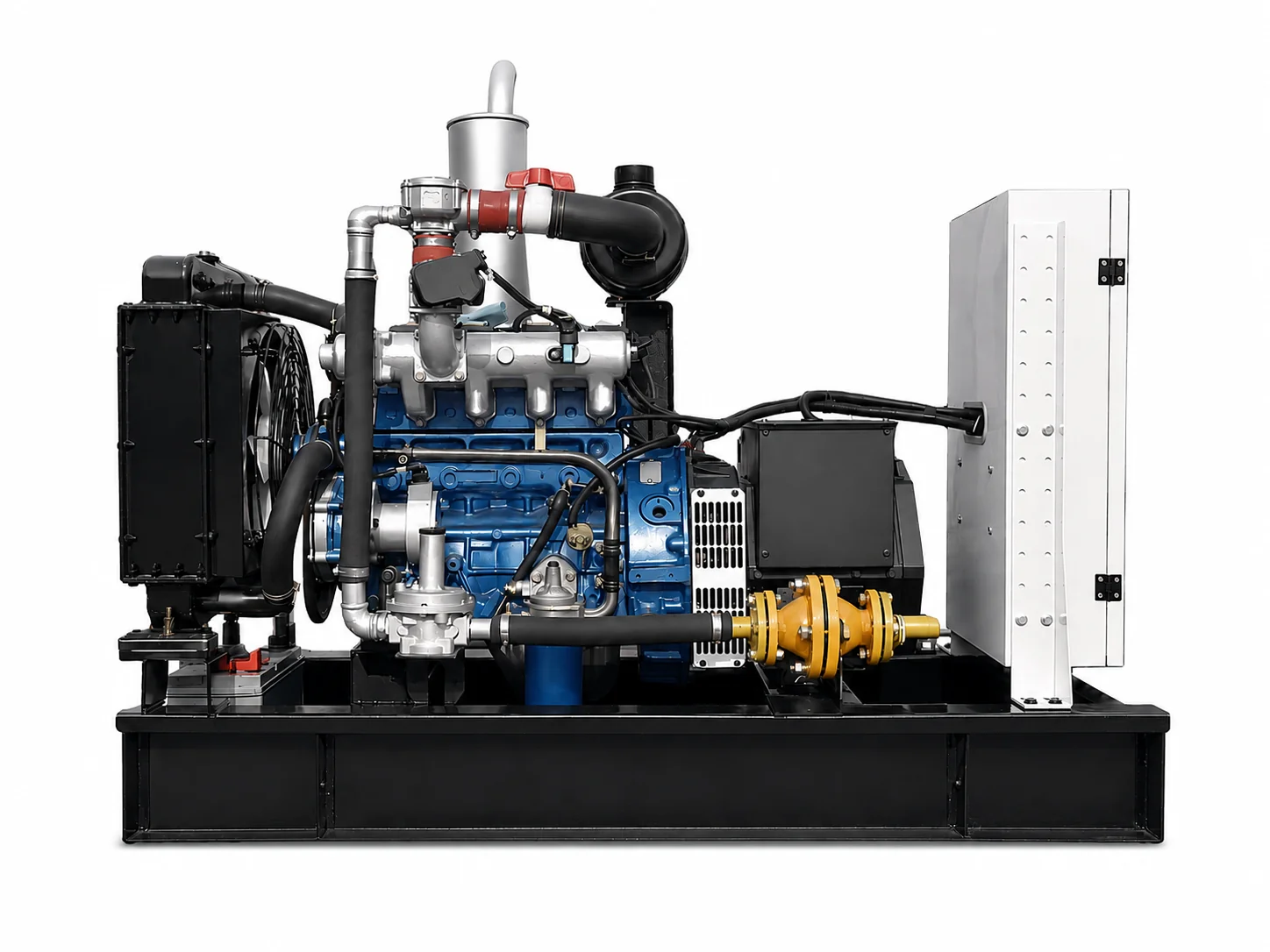
Gas power generation pain points
Gas-fired power generation is not a comparison of the parameters of a single unit. What is more critical is whether the temperament, pressure, methane concentration, calorific value fluctuations, grid-connected or isolated operation mode, waste heat utilization and safety protection match. Shengdong makes systematic configuration around gas treatment, stable combustion, control protection and project delivery.
Natural gas, biogas, and associated gas have different compositions, and changes in calorific value and pressure will affect combustion stability and output power.
The gas valve group, ignition, speed regulation, cooling, alarm shutdown and load access need to be coordinated, and it is easy to miss the interface when purchasing separately.
Only generating electricity without recovering heat will waste exhaust and cylinder liner water heat energy, affecting the overall economics of the project.
Gas leakage, flashback, overtemperature, overpressure and abnormal shutdown all require pre-protection, otherwise on-site risks will be amplified.
Core strengths
Referring to the international gas unit product ideas, the configuration focuses on economy, reliability, clean emissions, isolated grid power supply and waste heat utilization to help customers convert combustible gas resources into stable electricity.
It can perform air intake, mixing, ignition and control matching around natural gas, biogas, coalbed methane, oil field associated gas and other gas sources.
Local utilization of gas resources, combined with reasonable maintenance intervals and operation strategies, is suitable for long-term common power supply and energy recovery projects.
The combustion is cleaner, and post-processing and emission control can be configured according to project requirements. It is suitable for environmental protection parks, aquaculture biogas and distributed energy projects.
You can choose isolated grid operation, grid-connected operation or multiple parallel machines according to the on-site power grid conditions to improve the power supply guarantee for remote sites and industrial projects.
It can be combined with jacket water and exhaust waste heat recovery to expand heating or cooling and improve the overall energy efficiency of gas-fired power generation projects.
Focusing on the overall delivery of gas pipelines, control cabinets, cooling, silencers, protection and data supporting equipment, it reduces on-site secondary coordination.
Series Selection
When selecting a gas generator set, you need to first confirm the gas type, calorific value range, inlet pressure, operating hours, grid connection method, waste heat utilization and emission requirements. The following scheme is used to quickly determine the project direction. The actual configuration can be refined based on the on-site temperament report and load list.
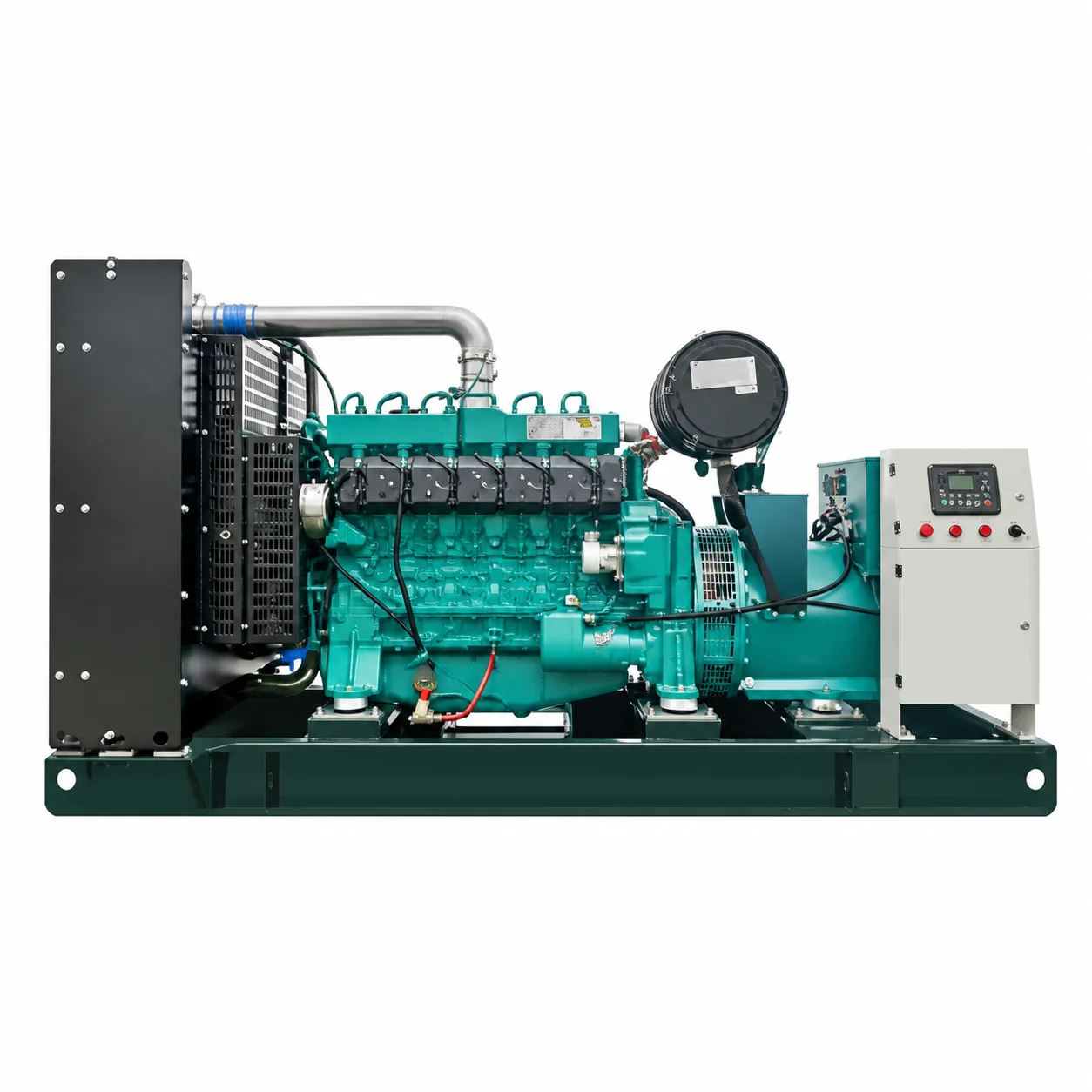
It is suitable for livestock farms, sewage treatment plants, food waste and organic waste treatment projects to convert biogas resources into stable electricity.
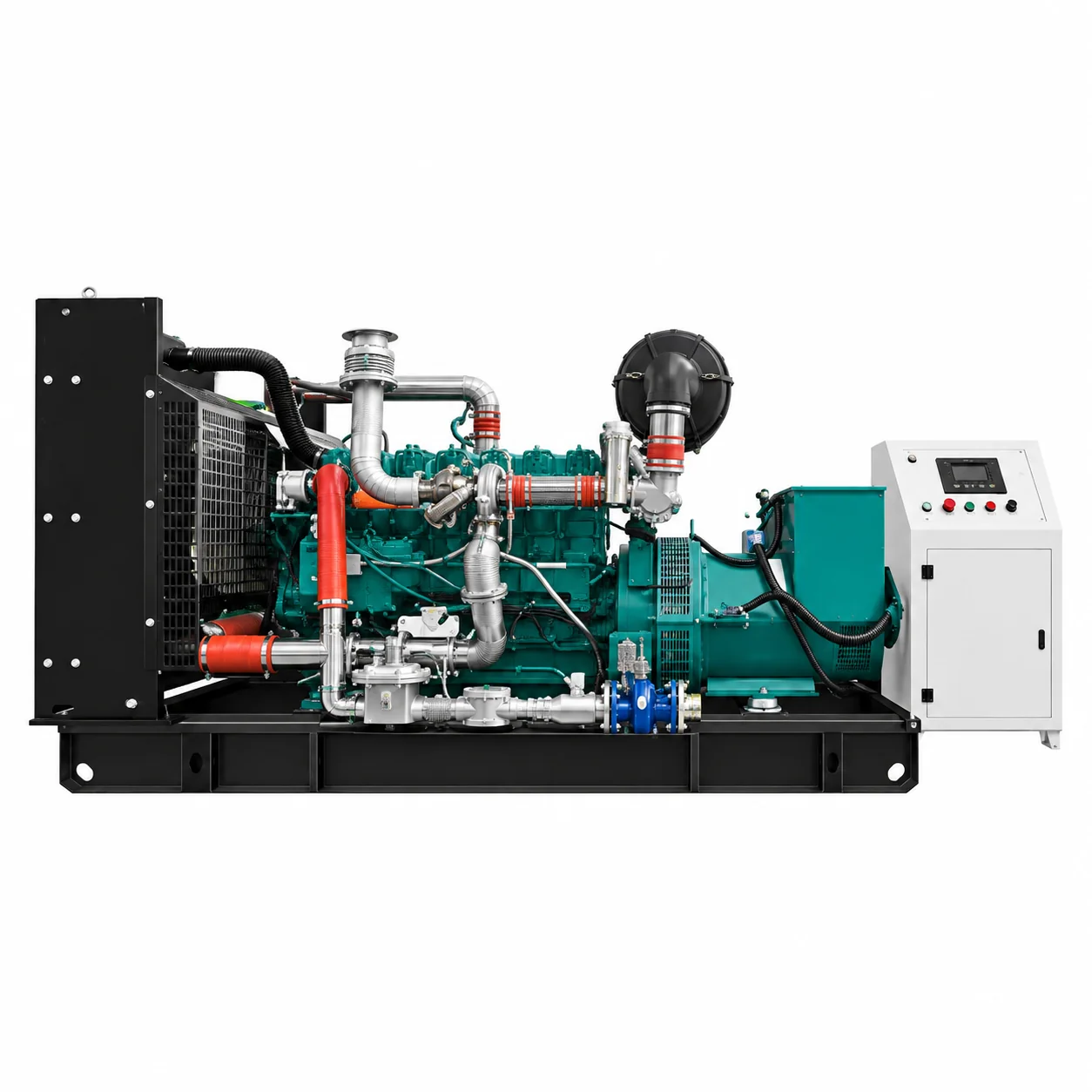
It is suitable for industrial parks, commercial complexes, gas stations and distributed energy projects, emphasizing stable combustion, high efficiency and long-term operation economy.
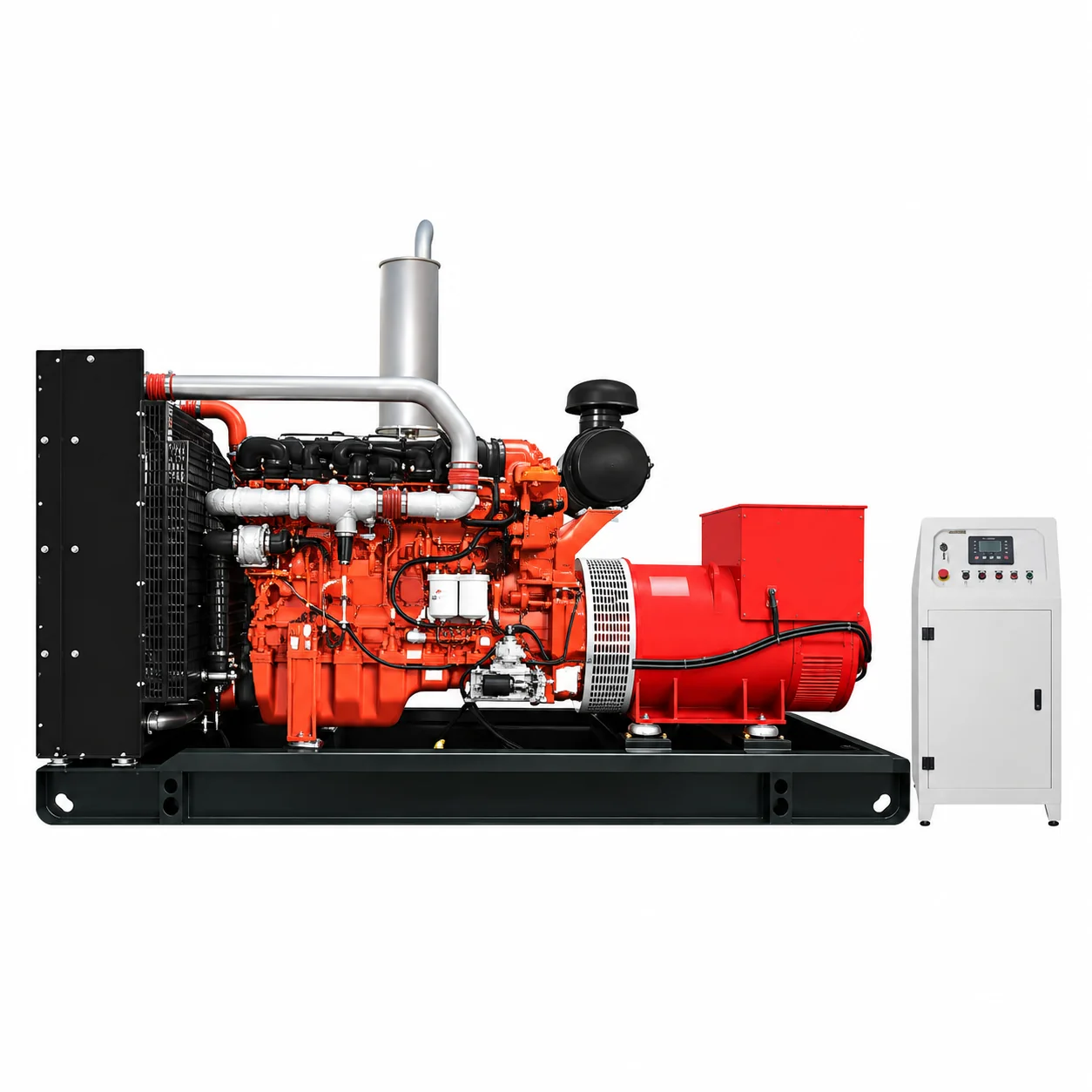
It is suitable for energy utilization projects of domestic waste and industrial waste. It combines flue gas, calorific value and load conditions to match a stable gas power generation solution.
Project consultancy
It is recommended to provide gas type, methane content/calorific value, inlet pressure, target power, voltage frequency, whether it is connected to the grid, whether waste heat utilization is required and the project location.